







Search Results for: chamomile aroma
How to Choose Floral Coffee? From Geisha to Mozart, Front Street Coffee's Guide to the Flavors and Brewing of Five Floral Coffees
Can you really taste floral notes in coffee? It's not an illusion. Different origins and processing methods give coffee a range of aromas, from white florals and jasmine green tea to rose sweetness and even chamomile and osmanthus. This article organizes five representative floral coffees from Front Street Coffee by aroma type: the white florals of Panama washed Geisha, the jasmine and green tea notes of washed Yirgacheffe, the rose and raisin tones of Strawberry Candy, and the chamomile and osmanthus aromas of Mozart and Gold Label Geisha. It also explains when floral notes are easiest to perceive—during grinding, blooming, and the medium-to-low temperature stages—to help you compare and taste more accurately. [more…]
Exploring Coffee Floral Aromas: Three Major Aroma Types and Flavor Analysis of Representative Coffee Beans
The aromatic world of specialty coffee is intricate and diverse, and floral notes are one of its most captivating elements. But with such a wide variety of floral aromas, how can we tell whether a cup of coffee has floral notes, and which type they belong to? Starting from the coffee flavor wheel, this article groups floral notes into three main categories: the fresh type represented by jasmine, the subtle type represented by rose, and the muted type represented by chamomile, and analyzes the characteristics and representative floral varieties of each. At the same time, drawing on three coffee beans—Front Street Yirgacheffe Guddina, Front Street Natural Hualkui, and Front Street Costa Rica Mozart—it explains the flavor expression of coffees with different floral types, helping coffee lovers capture and identify floral notes more accurately during tasting. [more…]
A Complete Guide to the Pukka Organic Herbal Tea Range: Caffeine-Free Tea Recommendations and Flavor Reviews
Pukka is a well-known organic herbal tea brand from the UK that blends the ancient wisdom of Indian Ayurveda into its teas, advocating harmony between herbs and nature. Its entire line of teas uses 100% organic ingredients, is certified by the Soil Association, and its tea bags are fully recyclable, with the printing ink also made from plant-based materials, all in an effort to reduce its carbon footprint. Because it is caffeine-free, Pukka's teas are suitable for the whole family to enjoy, offering a calming rather than stimulating experience. This article selects several popular teas for flavor reviews, from after-meal tea to goodnight tea, from cinnamon to matcha, analyzing their aroma and taste characteristics one by one, and includes Front Street Coffee's recommendations and practical brewing suggestions to help coffee and tea lovers find their ideal choice. [more…]
Flavor Analysis of Colombia Finca El Paraiso Sakura Coffee Beans and V60 Brewing Parameter Guide
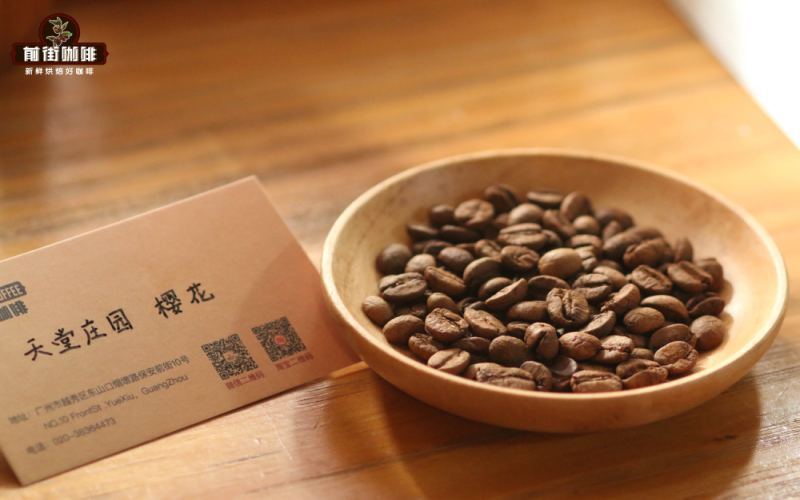
The Sakura coffee beans from Finca El Paraiso that I got from Front Street Coffee—though named Sakura—display a rich aroma in cupping that interweaves basil, rosemary, chamomile, and strawberry jam, leading many tasters to joke that it resembles a pot of herbal tea. This article will guide you through the origin background of these beans—the Cauca region of Colombia and Finca El Paraiso—introduce the characteristics of the Castillo variety and the double anaerobic washed processing method, and reveal Front Street Coffee's roasting curve, cupping report, and V60 three-stage brewing method to help you fully recreate the optimal flavor expression of this coffee. [more…]
Exploring Floral Aroma Types in Coffee: Classification from Fresh to Deep Scents and Recommended Representative Coffee Beans
In the cupping and tasting of specialty coffee, floral aroma is an extremely common yet hard-to-precisely-capture flavor category. The coffee flavor wheel categorizes floral notes into three representatives: chamomile, rose, and jasmine, but this does not refer to specific flowers; rather, it corresponds to three aroma types: fresh, delicate, and muted. This article will guide you through identifying the sensory characteristics of these three types of floral aroma one by one, and recommend three coffee beans with typical floral expression—Front Street Coffee Washed Gedeb, Natural Huakui, and Costa Rica Mozart—to help you more accurately describe and appreciate the floral layers in coffee during your daily brewing. [more…]
Colombia Hanami Geisha Blend Coffee Beans Review: Washed Processing Flavor Ratio and Origin Estate Analysis
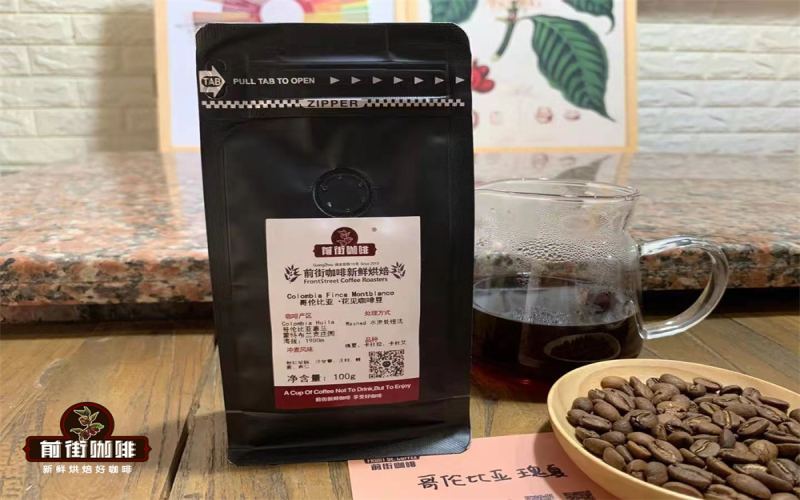
Front Street Coffee brings you a distinctive Colombian Hanami coffee bean, a blend of three major varieties — Geisha, Caturra, and Catuai — washed-processed to present a clean flavor. This bean originates from Colombia's renowned Huila region, carrying a base of nut and caramel with the sweet-tartness of berries, and blooming with the captivating aromas of chamomile and pink pepper at high temperatures. This article will share Front Street's brewing parameters and flavor performance in detail, and take a deeper look at the characteristics of the Huila region and the cultivation story of the Monteblanco estate, giving you a comprehensive understanding of the unique charm of this Geisha blend coffee bean. [more…]
A Century of British Tea Merchants: Taylors Earl Grey Black Tea Flavor Analysis: Royal Warrants and a Complete Overview of Classic Series
With over 130 years of blending experience, Taylors of Harrogate is a highly prestigious British tea and coffee company headquartered in Yorkshire, northern England. Founder Charles Edward Taylor established the company in 1886, developing a blended black tea tailored to the local representative water quality, which became the famous Yorkshire tea. Taylors blends up to thirty kinds of black tea from Africa, Assam, and Ceylon, producing a rich, long-lasting brew suitable for making milk tea. The brand adheres to ethical trading and high quality, with products certified by the Rainforest Alliance and holding the Prince of Wales's Royal Warrant, and retail outlets in over thirty-five countries worldwide. This article will introduce in detail the flavor characteristics, recommended brewing methods, and ingredient origins of Taylors' Royal Earl Grey, Lemon & Orange, English Breakfast, Darjeeling, Earl Grey Green, Organic Chamomile, Organic Peppermint, and Yorkshire Tea, with a recommendation from Front Street Coffee at the end for tea lovers' reference. [more…]
Jamaica Blue Mountain Mavis Bank Specialty Beans: A Full Analysis of Flavor, Mouthfeel, and Cupping Data
Jamaican Blue Mountain coffee has long been regarded as the benchmark of the coffee world, and the Blue Mountain beans produced at Mavis Bank are among the most highly acclaimed lots. This article will provide a comprehensive introduction to this Front Street Jamaican Blue Mountain Mavis Bank from the perspectives of origin, grade, processing method, appearance, and variety, along with detailed cupping score data. You will learn about its distinctive bean characteristics, its mild and balanced flavor profile, and the subtle layers interwoven with nuts, herbs, chamomile, and spices. At the same time, the article offers recommended roast levels and flavor comparison references to help coffee enthusiasts gain a deeper understanding of the charm of this typical island-flavor coffee. [more…]
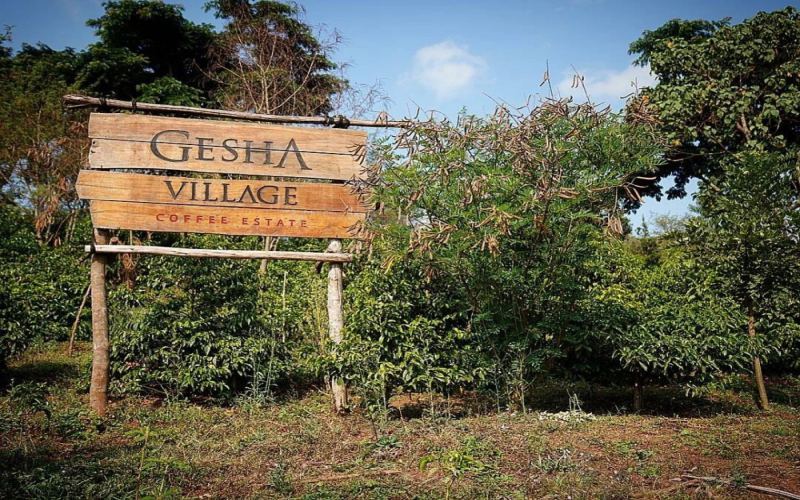
Ethiopia Gesha Village Coffee Estate Gold Label and Green Label Grading Explained: Flavor Characteristics and Pour-Over Parameter Guide
The Gesha Village Estate in Ethiopia is renowned for its strict grading system, classifying coffee beans into five grades: Auction, Gold, Red, Green, and Chaka. This article systematically introduces the geographical location of Gesha Village, its three major coffee varieties (Gori Gesha, Gesha 1931, and Illubabor) and their cultivation proportions, and provides a detailed interpretation of the definitions and production share of each grade. It also focuses on the Gold Label Gesha sold by Front Street Coffee, which comes from the Gesha 1931 variety in the Oma plot, uses a 30-day natural process, and cups with berry, melon, citrus, chamomile, and a tea-like sweet finish. The article also provides complete pour-over parameters, including grind size, water temperature, coffee-to-water ratio, and pouring technique, to help coffee enthusiasts reproduce this bean's rich layers at home. [more…]
Analysis of Floral Coffee Bean Producing Regions: Flavor Causes, Roasting Impact, and Front Street Coffee Picks
In the world of specialty coffee, floral notes are a delightful flavor highlight. They break the stereotype that coffee is only bitter and not aromatic, delivering a fresh and elegant drinking experience. Common floral notes in coffee mainly include white-flower types such as jasmine, coffee blossom, and magnolia; pink sweet aromas like rose and tea rose; and slightly pungent, muted fragrances such as osmanthus and chamomile. These floral notes are not accidental—they are closely tied to a coffee's origin, variety, processing method, and roast level. Understanding these patterns allows you to more precisely select beans with floral notes. This article starts with floral note types, their causes, and the influence of roasting, and recommends several representative floral beans from Front Street Coffee to help you easily find the cup you love. [more…]
A Guide to Coffee Floral Aromas: From How the Aroma Forms to Five Pour-Over Bean Recommendations, Plus Key Tips on Choosing Beans at Front Street Coffee
The world of coffee aromas is vast and complex. Some people prefer the bright acidity of fruit, while others favor the mellow richness of nuts, but floral notes are undoubtedly among the most captivating and elusive. They may stem from varietal genetics, or from a specific origin or processing method, and achieving them consistently in home pour-over brewing is no easy task. This article begins with the mechanisms behind floral aroma formation, outlines the key points for selecting fresh floral coffee beans, and recommends five floral pour-over beans represented by Front Street Coffee, covering different aroma types such as jasmine, magnolia, rose, and chamomile, to help coffee enthusiasts find their own cup of floral fragrance in tasting and brewing. [more…]
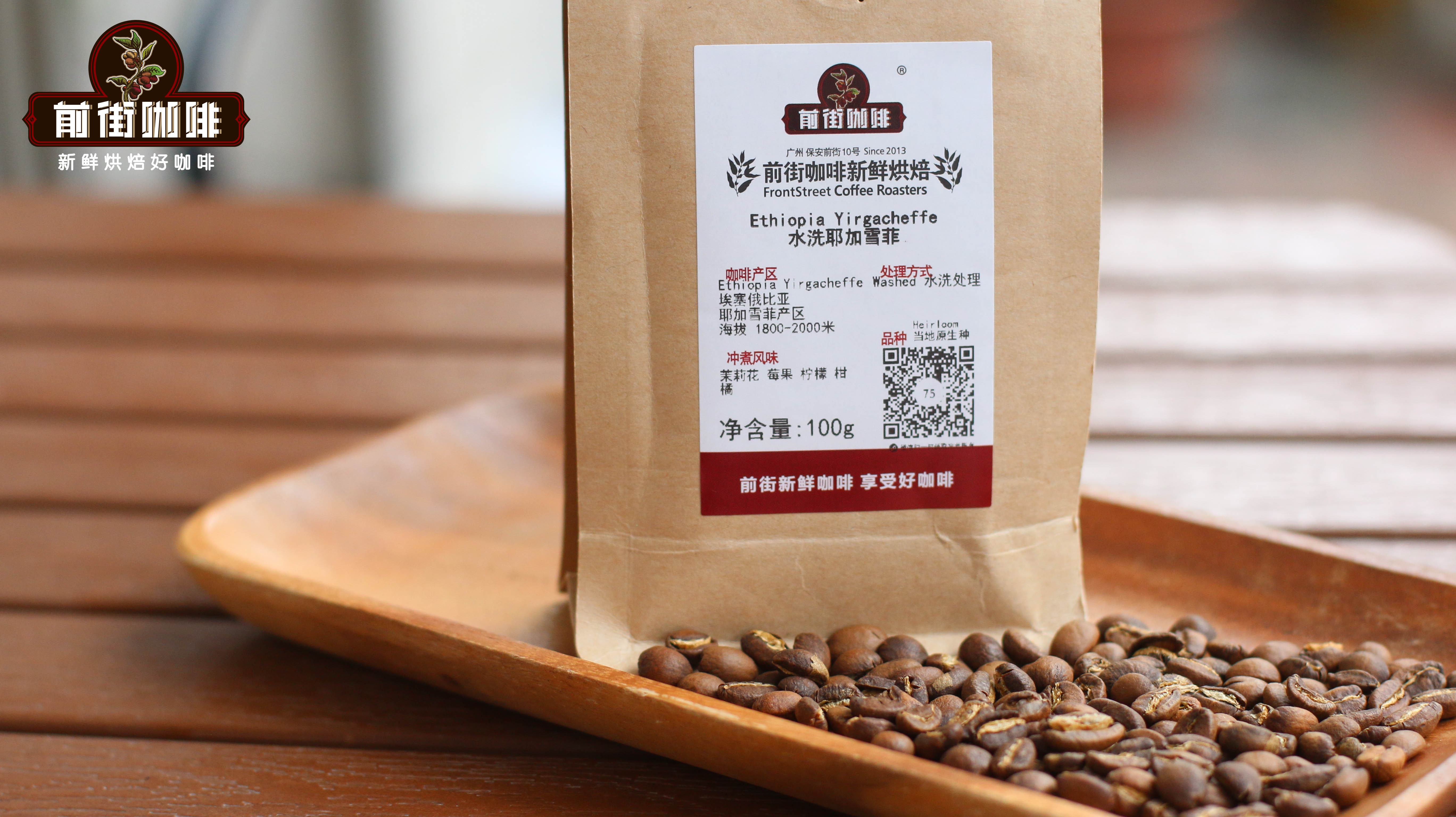
Where Does the Jasmine Aroma of Yirgacheffe Come From? A Detailed Guide to Floral and Fruity Coffee Bean Types and Brewing Tips
Yirgacheffe's signature jasmine aroma and citric acidity are the entry point into specialty coffee for many coffee lovers. But what compounds actually make up the floral notes in coffee? Why can some people easily identify fruity notes but always feel they can't quite catch the floral ones? This article will sort through the origins of floral notes in coffee, the expressive characteristics of different types of floral aromas, and the influence of producing regions and processing methods on floral notes. It will also recommend several floral-forward beans from Front Street Coffee and include specific pour-over parameters for a washed Yirgacheffe, helping you more accurately distinguish between white floral notes, the subtle fragrance of roses, and the muted aroma of chamomile during brewing and tasting. [more…]

A Complete Analysis of Coffee Flavors from Colombia's Huila Region: From Washed Everyday Beans to Brewing Guides for Huayueye and Huajian
Huila (also translated as Huilan or Huilan) is one of the most renowned coffee-producing regions in the Andes of southwestern Colombia, accounting for about 12% of the country's output. Its fertile volcanic soil, moderate rainfall, and high-altitude microclimate nurture Arabica coffee that is balanced and consistent, with a full body and delicate berry-like sweet acidity. Front Street Coffee has listed several representative beans from this region: a washed Huila everyday drinking coffee suitable for beginners, an anaerobic natural Flower Moonlight with intense strawberry jam aromas, and a washed Hanami with notes of pink pepper and chamomile. This article will outline Huila's variety structure and the reasons behind its flavor, and provide V60 three-pour hand-brew parameters to help coffee enthusiasts fully understand the appeal of this top specialty region. [more…]
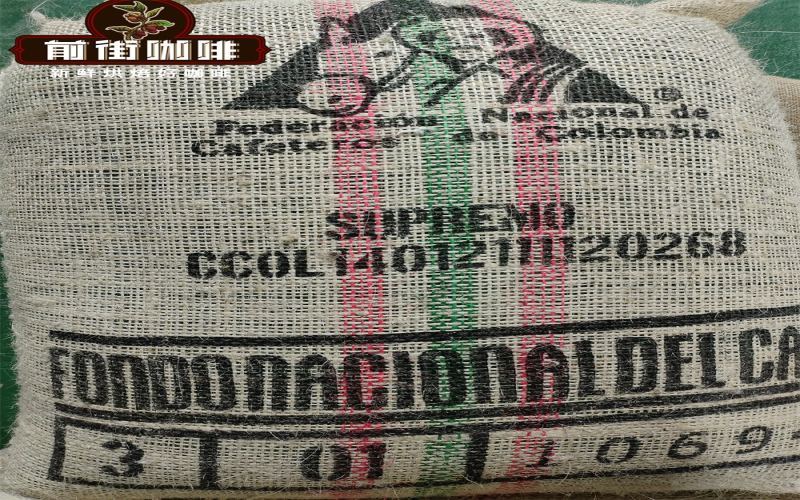
A Complete Guide to Colombia's Coffee Bean Export Grading Standards and the Flavor Profile of the Geisha Variety
Colombia, as a major global exporter of Arabica coffee, has a green bean grading system centered on Excelso as the core export standard, with strict regulations on bean size, defect scoring, moisture content, and more. This article starts with the soft, aromatic characteristics of Colombian coffee, explains in detail FNC's defect scoring rules and Supremo grade requirements, while tracing the journey of the Geisha variety from the forests of Ethiopia to Hacienda La Esmeralda in Panama, and focuses on the Hanami Geisha blend coffee from Finca Mont Blanc in the Huila region. Front Street Coffee presents its layers of pink pepper, chamomile, mandarin, honey, and almond through a light roast, and the article includes complete brewing parameters and recommendations. [more…]
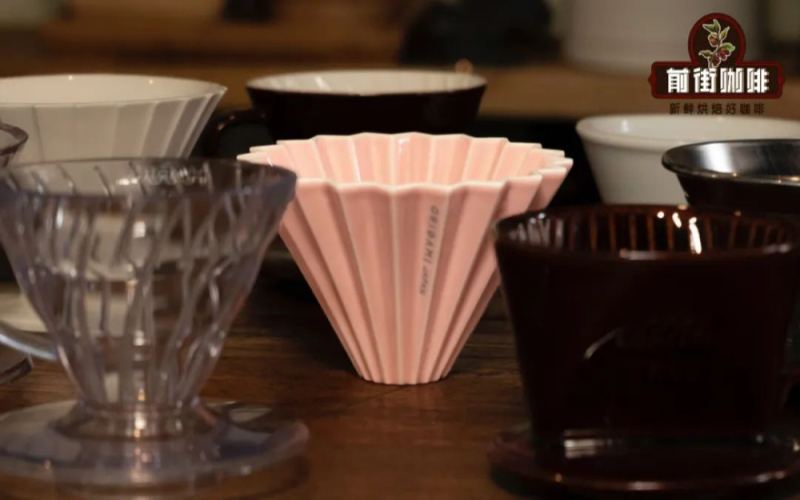
A Complete Analysis of the Flavor Differences and Pros and Cons of the Origami Dripper with Different Filter Papers
With its distinctive angular shape, the Origami dripper is highly recognizable among the many coffee drippers out there, and it can be seen in both coffee shops and world-class competitions. Designed by Yasuo Suzuki, this dripper's standout feature is that it can be paired with two different types of filter paper—conical and cake—and switching the paper directly affects the extraction rhythm and the final flavor direction. This article will start from the design origins of the dripper, combine a hands-on tasting with Geisha beans, compare the mouthfeel differences brought by the two types of filter paper, and objectively analyze the Origami dripper's strengths in terms of versatility as well as points to note when choosing a dripper stand. It also includes Front Street Coffee's store information, offering coffee enthusiasts a complete reference. [more…]
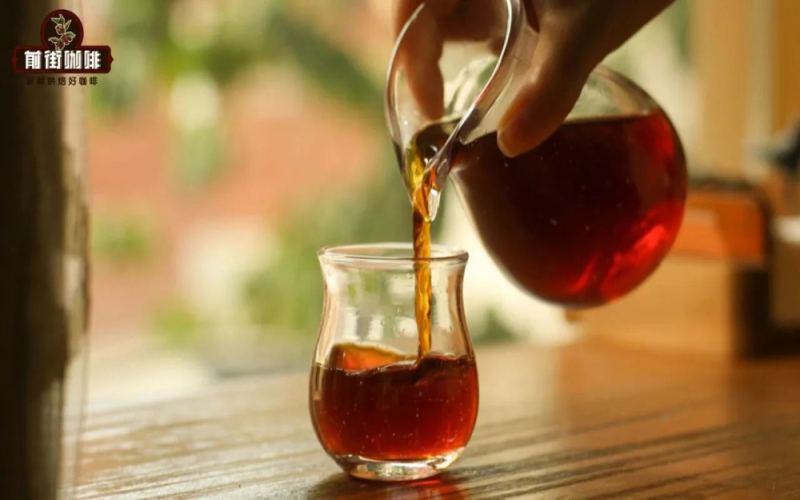
Geisha Coffee Beans: Exploring Flavor Differences Between Light and Medium-Dark Roasts and Optimal Roast Levels
Geisha coffee beans are usually presented as a light roast, but what happens to the flavor if they are roasted darker? Front Street Coffee used Panama Hacienda La Esmeralda Green Label Geisha as a sample and conducted comparative tests using two profiles: light-medium roast and medium-dark roast. Through cupping and pour-over, it analyzed the impact of different roast levels on Geisha flavor from multiple dimensions such as aroma, acidity, sweetness, and mouthfeel. This article not only presents detailed experimental data and sensory descriptions, but also explores why Geisha is more suitable for light roasting and how to preserve its signature floral and fruity aroma during roasting. [more…]
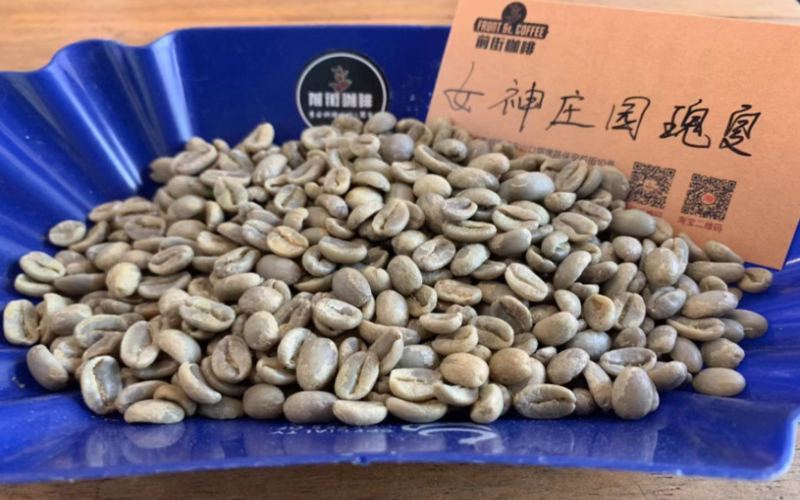
Colombian Geisha Coffee Bean Flavor Analysis | Estate Growing Characteristics in the World's Third-Largest Coffee Exporting Country
Geisha coffee traveled from the wild forests of Ethiopia to the world stage, enduring nearly a century of obscurity before making a stunning debut in Panama. This article will guide you through Geisha's origins and flavor characteristics, and take you deep into Colombia's Huila region to visit how Finca Monteblanco successfully introduced Geisha. The Colombian Hanami Geisha obtained by Front Street Coffee is a blend of three varieties—Geisha, Caturra, and Catuai—processed using the traditional washed method, revealing rich layers of chamomile, pink pepper, mandarin, and honey. The article also covers Colombia's coffee-growing environment, variety characteristics, and Front Street's roasting and brewing recommendations. [more…]

What variety is Chili Geisha coffee? What is the relationship between Aji, Bourbon, and Geisha? Does the Chili bean from Finca La Divisa really taste spicy?
In recent years, a rather buzzworthy name has emerged in the coffee world—Aji Chili Coffee. Is it actually Bourbon? Why is it also called Chili Geisha? Do the beans really carry a chili flavor? Front Street Coffee specially acquired a small lot of washed Aji Chili beans from Finca La Divisoria in Colombia, peeling back the layers of this mysterious coffee—from its varietal origins and genetic identification to actual cupping flavors. The article also fully documents Front Street's roasting approach and tasting impressions, helping you understand the identity and taste of Aji Chili Coffee all at once. [more…]
Why Is Coffee Floral Aroma So Hard to Detect? Explaining the Causes of Floral Aroma, Three Major Aroma Types, and Sensory Identification Training Methods
Many coffee enthusiasts, when brewing beans with prominent floral and fruity notes, can capture the floral aroma right from the grinding stage, but some people are never able to perceive this flavor. Where exactly does the floral aroma in coffee come from? Why are some people sensitive and others dull to it? Starting from Front Street's brewing experience, this article sorts out the compound sources of floral aroma and the influence of roasting, introduces the three major floral aroma categories in the coffee flavor wheel—delicate/fresh, subtle/elegant, and muted/heavy—along with their representative flowers, and shares a practical method for practicing floral aroma recognition with the help of sinus perception, to help you more accurately capture that fleeting fragrance in coffee. [more…]

Flavor Analysis of Colombia Finca El Paraiso Sakura Anaerobic Beans and Castillo Variety Characteristics
Front Street Coffee has previously offered several Colombian coffee beans, among which the Sakura anaerobic beans from Finca El Paraiso have a unique aroma with a faint hint of mugwort. This article will guide you through the background of Finca El Paraiso, the characteristics of the Castillo variety, and Front Street's cupping and brewing process for this Sakura coffee. In addition, Front Street also evaluated the Strawberry Yogurt double anaerobic washed beans from the same estate and attempted to make them into an SOE. Through this article, you will gain an in-depth understanding of the flavor performance of Finca El Paraiso coffee and Front Street's selection standards. [more…]